Wednesday, 23 May 2018

Saturday, 28 November 2015
Physician Heal thyself

I fully believe that herbs along with nutritional and lifestyle changes
can create Ease and Health with everything, often being nursed and taken care
of when we are down is integral to this journey to Optimum health.
Today I am suffering with a horrid gum swelling and infection, my lymph
nodes are hard and painful and my
mouth is throbbing. I cannot bite down or chew anything as it feels very
uncomfortable and painful and has done for about 30 hrs so far.
 |
| The Great Eliminator Point |
My supportive partner,
responded to me whining on the sofa last night and begging in a small childlike
manor to be ‘Nursed’ by using his skills of shiatsu; pressing several points
including The great eliminator (see picture). He also suggested to me hot salt
water gargles and garlic, prescribing 6 cloves a day, to be crushed and taken
hole but not on an empty stomach. He rather unervingly added that if it was not
better within a week I would need in his words; ‘To Nuke it with hardcore
stuff.’ This statement sent me into slight panic, what did he mean? 6 cloves of
Garlic daily surely was super hardcore??? Part of me seemed to think he was
talking about anto-biotics….My ego was dented, doesn’t he know who I am? A
herbalist with capabilities of healing herself…..with some support and care
from friends and family.
 So my action plan when I woke this morning; which includes vast amounts of polypharmacy!
I stopped eating solids from yesterday and have had regular juices with
organic vegetables, ginger and turmeric and smoothies with natural bio live
yogurt, bananas, various soft and lots of turmeric, taking garlic in between
smoothie sips.
Rubbing lavender and calendula externally onto my swollen lymph.
 I made a mouth wash with Propolis, Myrrh, calendula and clove essential
oil and boy is it strong.
I made a mouth wash with Propolis, Myrrh, calendula and clove essential
oil and boy is it strong.
Taking Echinacea, Calendula, Propolis, Elderberry and Swedish bitters internally
with high strength vitamin C and Rieshi mushrooms.
And now I am going to bed to heal it all in the next couple of hours
hopefully……phew
Friday, 17 July 2015
Making Smudge Sticks from our Native Smoke…..Artemisia
Harvesting the Lady Mugwort today for many things but gonna make me some smudge sticks now…….

She is an essential medicine in our
materia medica with countless amazing healing properties and also one of the
herbs in our hand prepared smudge sticks. The lady Artemisia has the power to work
her magic in our dreams, sending us, both coded and clear insights, to grasp
onto as we wake from slumber. She is a moon Spirit and duality is written all over her form with her
dark green leaves contrasting with the silver underside. She has soft flowers, filigreed leaves
and willowy movements in the breeze while her deep red backbone stems are
strong and upright. Full of contrasts, clarity and, mystery. She is protective and nurturing and
deeply connective to the constant changing cycles. She clears and opens
channels to our brains, connecting right and left hemispheres, rebalancing our pineal
and pituitary gland activity.
The magic of the pineal gland
The pineal gland has been likened to the seat
of consciousness. It becomes
active when we are in deep rapid eye movement sleep, creating our dream
world. The release of melatonin at
night balances out the sleep wake cycle, keeps us balanced, connected with the
cycles of day and night. Mugwort
can stimulate pineal gland activity thus bringing our dreams alive.
Smudging
Smudging is a common name given to our ancient,
indigenous, spiritual tradition sometimes called sacred smoking. Its a powerful
spiritual cleansing technique which calls upon the spirits of various sacred
plants to clear, clarify, purify and to restore balance. We mix mugwort with purple sage, yarrow and
rosemary in our smugesticks.
Smudging with our native herbs allows us to
effect the world of subtle spiritual energies. By using the spirits of these
familiar powerful, healing plants we deepen relationships with mother earth and
thus ourselves. Our bodies, homes, offices and green-spaces vibrate with
invisible energy currents that are strongly effected by outside forces, both
physical and spiritual.
Smudging allows you to wash away all the
emotional and spiritual negativity that gathers in your body and your space
over time. It's a little bit like taking a spiritual shower! The
effects of smudging are instantly noticeable, banishing stress and providing
energy and peace. The air often twinkles with vibrancy after a good
smudge.
Smoke
People the world over have been using plants
to generate smoke to produce beneficial effects. Smoke is used to drive
off insects and to prevent disease. Smoke also is deeply symbolic, it
ascends to heaven, as if bringing any prayers and intentions up to the gods
with it. From the incense of Asia and Europe to the sage and cedar of the
indigenous Americans, the smoke generated by plants has a primordial history of
use as part of spiritual practice.
Making smudge sticks
There is nothing more powerful than using
sacred tools you’ve made yourself and smudge sticks are no exception. You can put all of your energy and
thought into the herbs as you harvest them, the tying of the twine around them
and then the drying and burning at the end. They are great for gifts or to use with patients and clients
if you have a practice you follow.
While you are harvesting and making the
smudge sticks remember to use the intensions of uplifting vibes, purification and
protection.
1.
Firstly you need to harvest your herbs. We use mugwort as our base. She is abundant and really keeps the smudge stock alight
with the way she burns. Find a
good patch where’s she’s got lots to give. Harvest just as the plant has
flowered. We were keeping our eyes
on a patch 2 years ago up a pedestrian country lane, waiting for the right time
for the plant and the moon. We
finally harvested her and the next day, unbeknown to us, the farmer came and
mowed down the whole wayside.
Phew, close call but the moon was looking out for us.
As the mugwort is so connected to the moon it
is nice to harvest when the moon is full.
The moon draws up all of the energy and constituents within the plant to
the tips.
Depending on the size of the plant you have
chosen, we usually harvest from about half way down the stem, above where she
looks like she could divide off and keep growing if the weathers right. Ou will need the pieces to be at least
30-40cm long to make nice fat smudge sticks.
2.
Next choose what you want to go in with the mugwort. We usually head to the garden for
this. Yarrow, sage and rosemary
are our favourites but we’ve also used wormwood, once we used some white sage a
friend was growing. The aromatic
herbs tend to burn well and provide the most cleansing and protective
actions. The aromatic herbs are
high in essential oils which are the plants own defense system. The oils burn well with lovely aromas
and provide all the protection that they did for the plant.
3. Lay out a good bunch of a combination of
your herbs but mainly mugwort out in front of you. The thickness you choose depends on your choice and the
weird and wonderful shapes of the finished products often reflect the character
of the person who made it! It
probably wants to be a bunch the thickness that will fit snugly into your thumb
and first finger joined tip to tip to make a round.
4.
Match up the stems approximately but you can trim them afterwards and
then holding the base of the bunch in one hand slightly twist the bunch with
the other and bend it over so that the ends of the bunch come back down to
where your first hand is holding the bunch.
5.
Now place some twine (green garden twine is nice or you can use nice
coloured embroidery threads) around the end and bind a couple of times around
before starting to work up towards the end being careful to include all the
ends of herbs as you go. It needs
to be bound tightly as the herbs will shrink as they dry but their needs to be
good gas between the spiral of thread going up the bunch to make sure that it
can breathe to dry properly.
Work up and then back down winding the thread
around so that as the thread burns away it still crisscrosses to stop it from
unraveling before you reach the end of your smudge stick.
6.
Do a few nice tight rounds at the bottom before tying it tightly with
the loose end. Place an intension
clearly on each knot as you tie it.
7.
Hang your smudge stick in a warm dry place to dry, near a wood burner or
in an airing cupboard and keep giving it a feel to check its dry. The length of time taken to dry will
vary depending on how thick and tightly you’ve made and tyed your bunch and on
where you hang it.
Using the smudge stick
Smudging a house
Choose a time where no
one but family who live there are about for 24 hours then clean and tidy and
generally have a good clear out, preparing a few bags to give away. Then put some good tunes on, light a
candle in each room whilst asking for support from your guides and spirits.
Light your smudge stick by pushing back some of the thread and holding a flame
to the end. When it starts to take
you can gently encourage it by blowing on the herbs til lovely embers forma nd
the stick starts to smoke. Start in the North top corner of the house and work
through each corner nook and cranny, North, East ,South, West in each room saying
a mantra as you go. Something like
‘clear the old vibes and make space for new energies’. Its nice to pay special
attention to the doors saying ‘let all whom enter do so with peace in their
hearts and exit with filled with love’.
Smudging a person
 Start at their feet and
gently blowing on the smudge stick or wafting it with a big feather or wing
start to work up around the body spiraling as you go. Pay special attention to the womb or pelvic area, the heart,
the third eye and the crown.
Finishing here. Remember to
whisper or chant a suitable mantra as you work.
Start at their feet and
gently blowing on the smudge stick or wafting it with a big feather or wing
start to work up around the body spiraling as you go. Pay special attention to the womb or pelvic area, the heart,
the third eye and the crown.
Finishing here. Remember to
whisper or chant a suitable mantra as you work.
Find out more about this amazing herb at our Sensory Workshop @ Atlantis Spiritual Centre Crews Hill -
Sunday, 7 June 2015
Seed SistAs
 Seed SistAs
We have begun our transformation in the Seed SistAs from the Wild n Wicked Witches, black hats moving to full skirts with many pockets filled with various Seeds…it is very exciting, off to the Radical Herb Gathering -
www.radicalherbalism.org.uk/2015-gathering/programme-2015/
Working with The Seeds of Inspiration
 We are focused on Seed politics and Food sovereignty. This years workshop @ the gathering shall be run as a ritual, using our innate sensory perceptions to connect with 3 seeds used a lot in our herbal practice and meet these individual plants: Oats, Rosehips and Fennel. We shall be looking at how we can use seeds to elicit change and where our individual power lies, within the politics of Food and Medicine today.
 |
| Dock |
I am Seed
Here in this Moment all around
me Dies,
I Stop,
Slow,
In my Heart is the Potential,
All-Consuming Passion for
Regeneration.
Contained but Bursting.
Give me Water,
Fire and Earth,
I will Transform.
 |
| Comfrey |
Come down from your lofty
heights
Withered ways
 |
| Primrose Seed Pods |
Nourish me
As I in turn hold the Promise of
Nourishment.
The Axis between the Worlds,
Fulcrum
Holding Court with noone but Me
Myself & I.
I Balance all the Energetic
matter from the sands of Time
With the Foresight,
The Promise,
The Potential,
The Future.
Perfect Preparation
Friday, 17 October 2014
Seed Sowing in Da Orchard
 |
| A team of amazing volunteers gathered together to sow the first wildflower seeds onto the muddy stripped fields that are to be Northaw Community Orchard ….. |
 The land was dug up n all of the massive brambles and assorted rubbish removed, then it was walked and bramble roots picked out
 We mixed 100g of wild flower seeds in 2 handfuls of builders sand and sowed a bowlful per 20m squared
It is a total privilege being part of a community group and hanging out with people that want to give, be outdoors creating positive change Thank you to everyone involved.
We plan to plant 75 trees mixed fruit and nuts which will go in next Feb, have a community bee project on the land and run educational workshops


Thursday, 9 October 2014
HOT HORSERADISH ROOTS...
Horseradish Mars
It’s creeping towards the start of the freezy
winter months and all things warming and spicy are the order of the
season. We’ve just been digging up
horseradish root with our apprentices in preparation for the winter roots weekend in November. Its a hot herb of Mars.

Eva discovers hidden hot treasures beneath the ground
Horseradish is really circulatory
and stimulating. It is so hot that
when you chop it up, the enzymes release mustard oil into the atmosphere and
sting your eyes. I was wearing
goggles to chop it yesterday. When you chew a small amount, once the
heat has subsided, has a distinct bitter taste which is responsible for encouraging
the digestion by stimulating the liver and pancreas. Great for helping to digest rich meat dishes!
It is said that the oracle of
Delphi said to Apollo that Horseradish is worth its weight in gold. She was right; it’s a hugely valuable
plant both medicinally and as a condiment.
We use it as part of our Ache Ease balm to bring circulation to a damaged or inflammed joint or as a rub for tired achey muscles. As you've heard it can be very irritant so it is best to mix with some other oils. In our Ache Ease Balm we also use comfrey and heather oil.
Making Horseradish oil
Chop it up as thinly and as small as possible soon after harvesting. If you wait too long and it becomes too dry and it is nearly impossible to chop. This time I placed the chopped pieces into a brown paper bag and in the airing cupboard for 3 to 4 days to get most of the moisture out. If you put the root in the oil still moist, the oil will go rancid.

Horseradish slices in almond oil
It then goes into a clean jar and covered in oil. Almond oil is our oil of choice but any oil will do. Olive is thicker with more smell, grape seed very light. As it starts to mix and absorb the oil, the horseradish releases sulphurous gasses which you see as bubbles rising to the surface of the oil. Every couple of days its important to release the lid to let the eggy gasses out....After 2 weeks you can strain the horseradish out of the oil through a muslin cloth and store your oil to combine with other oils of your choice.
Foody ideas
We have kept a big lump of the
root back to use in stews and on sandwiches. The root needs to be kept wrapped up so that the air doesn’t
get to it (this stops it from loosing its spicy volatile oils and going bitter)
and stored in the fridge. It can
just be taken out and a small amount grated into stews or sandwiches.
Conscious harvesting
After harvesting we planted fennel seeds and gave thanks

Charli lovin' the horseradish
www.sensorysolutions.co.uk/apprenticeships
Thursday, 2 October 2014
Sugar Free Rosehip Syrup recipe
Rosa canina is a beautiful delicate flower, turning to red sexy hip gracing many of our
hedgerows. Growing abundantly often intertwined with her equally protective and
prickly cousin Hawthorn. Her pale pink heart shaped petals give us a clear
indication of one of her medicinal virtues – to sooth any anxieties especially
of the heart and issues of love and grief, her hips full of vitamin C nourishing and nurturing.
 Her delicate floral flavours are uplifting and cooling, her scent
attractive and calming. It is important to take care whilst harvesting as her barbed
shaped thorns can be oh so vicious –we take it as a no nonsense message to move
on to another bush. Her sexy fruity hips out right now in Autumn, encompass the reproductive system in their juicy red nourishing shells filled
with thousands of seeds – When preparing these it is important to be aware that
the tiny hairs are extremely irritant and in fact are the origins of itchy
powder.
Her delicate floral flavours are uplifting and cooling, her scent
attractive and calming. It is important to take care whilst harvesting as her barbed
shaped thorns can be oh so vicious –we take it as a no nonsense message to move
on to another bush. Her sexy fruity hips out right now in Autumn, encompass the reproductive system in their juicy red nourishing shells filled
with thousands of seeds – When preparing these it is important to be aware that
the tiny hairs are extremely irritant and in fact are the origins of itchy
powder.
Rosehips
are renowned for treating arthritic complaints with great results interestingly
especially the knees. Perhaps the
mode of action for this is through her amazing effect healing the gut, as well
as the anti-inflammatory effects she imparts.
Emotionally we have used the
the rosehips especially in syrup from to put nurture back in when you’ve been
giving out to others. This is a
particularly maternal quality, the constant Giver.
• rosehips
• apple juice concentrate
• spring water
Method:
1. place the washed rosehips in a large pan
2. cover with spring water
3. bring to the boil and then simmer for 10 mins
4. mash it all up with a potatoe masher
5. Put it through a food mill (see picture)
6. Pour through a jelly bag/or muslin square
7. Add the apple concentrate at a ratio of 2 parts apple to 1 part rosehips and boil rapidly for another 5 minutes. Pour into hot sterile bottles and seal immediately.
Tuesday, 8 July 2014
Antimicrobial Aromatic Potion to ward of Colds and Flus
Our garden path is lined with the
most delightful scented aromatic herbs and it is a constant wonder to the
children and adult’s alike hands are trailed along and wonderful smells
released each journey up or down it. Amongst others you’ll meet the uplifting,
protective, rosemary, calming lavender, pungent thyme, heady sage, smoky
wormwood, tasty marjoram and sweet myrtle. All aromatics are anti-microbial in their very nature the high scents are often part of the plants own protective system to ward off pests and illness. Aromatic after the word aroma just means smelly!


Today I have decided to make a tincture to go towards making the next Tonsil Tickler Throat Spray of ours. The way I make tincture is very
simple. I choose the herbs I want in it, so in this layer cake there is calendula, daisy (lymphatics), rosemary, sage, thyme, oregano, myrtle (aromatics) lavender (anti inflammatory aromatic) Nastursium Flowers, Borage…..delicious and so pretty a mix.
I harvest the plants on a dry day
after the morning dew has evaporated, the moon is nearly full so all the energy of the plant is at full power….
Then I chop up the pack as much
as possible into a jar and cover with good quality vodka, label and
date the tincture and one lunar cycle later strain the herb out and what is
left is your tincture.
I shall be making elderberry syrup to add to this potion in the autumn and then I shall mix it all up together.

Tuesday, 17 June 2014
Wednesday, 14 May 2014
Magical Lemon Balm - Anti depressant, Anti Viral, Cold Sore Healing ……..n many more!
 May Full
Moon and what a treat we have with wonderful sunny warm weather a prefect day
for a garden harvest, I love to harvest the Ariel parts of plants inuring the
full moon when I know all the energies in the herbs are pulsating upwards to
bathe in maximum light. I was in my shed dispensing and noticed that last years
lemon balm (Melissa) tincture was almost finished so what better time to
replenish stocks…
May Full
Moon and what a treat we have with wonderful sunny warm weather a prefect day
for a garden harvest, I love to harvest the Ariel parts of plants inuring the
full moon when I know all the energies in the herbs are pulsating upwards to
bathe in maximum light. I was in my shed dispensing and noticed that last years
lemon balm (Melissa) tincture was almost finished so what better time to
replenish stocks…
The Lemon
Balm is in full leafy glory at this time of year and each time I wander up my
garden path, brushing past various aromatics, the sweet sharp lemony aromas
makes me smile. I found a glass jar then holding an intention of calming,
uplifting healing, began harvesting juicy leaf tops whilst opening my voice and
letting words flow through me. I found myself singing about community love and
support and the importance of self-nurture. Each plant has a song and I find it
great fun to let my imagination and creative play free whilst working with
plant energies.

Once the
jar was full of green, delightfully smelling leaves I covered half the jar with
Vodka and the top half with 80 percent alcohol from a holiday aboard.
I want to have a higher strength alcohol to extract some more of the volatile
oils. I am going to put this tincture out side in the moon light, standing on a
picture of symbols for love support community and self care for the next 3
nights before straining, I have a mantra to speak to the potion, ‘ With Great
Love and Respect I ask for Powerful Healings, Calming, Uplifting Support &
connection between all Life. Thank you.’
Lemon Balm
is a very easy herb to grow one of the Mint family (recognisable by their
square stems) it is quick to establish in the garden and move around taking
over beds (I don’t mind too much!).
Lemon balm’s Greek derived scientific name
“Melissa”
 Is from the fact that it is a favourite of
bees and in
Is from the fact that it is a favourite of
bees and in
Ancient Greece sprigs of lemon balm were
placed into beehives to attract wandering honeybee swarms we now know that one
of its citrusy scents mimics the homing pheromone of bees. It is delightful to
watch the honeybees drinking her nectar on summer days.
It is thought that during the 10th
century the Arabs who had it as a valued part of their Materia Medica for many
hundreds of year’s prior introduced the plant to Europe. So thank you for that
wonderful present!
Lemon
balm seemed to be a favorite of William Shakespeare; lemon balm was used as a
secret messenger or code, in the language of flowers, between lovers to signify
sympathy. And is written into several of his plays.
 Recent
scientific studies have proven the anti-viral effectiveness of lemon balm
specifically in shortening the healing time of herpes cold sores and outbreak
of shingles (we have it in our lip balms with hypericum another great
anti-viral herb) & there are ongoing research programme in the treatment of
Grave’s disease, hyperthyroid, and Alzheimer’s/dementia.
Recent
scientific studies have proven the anti-viral effectiveness of lemon balm
specifically in shortening the healing time of herpes cold sores and outbreak
of shingles (we have it in our lip balms with hypericum another great
anti-viral herb) & there are ongoing research programme in the treatment of
Grave’s disease, hyperthyroid, and Alzheimer’s/dementia. Thursday, 27 February 2014
Native Superfood Kale….Delicious Curly Kale Crisps…
 On my Raw adventuring I am delighted by curly Kale crisps, happily
tucking into a bowl of them with an evening film when the world around eats dorites….
On my Raw adventuring I am delighted by curly Kale crisps, happily
tucking into a bowl of them with an evening film when the world around eats dorites….
I have purchased a food dehydrator and this new recepies of dried
tomato and cashew Kale crisps is my favourite this month.
Ingredients:

•
1 large
bunch of kale, stems discarded and leaves ripped up
•
30
grams homegrown dried tomatoes, soaked in water to soften for at least 1 hour
•
1 cup
raw cashews, soaked in water for at least 1 hour
•
2 large
garlic cloves
•
2 tbsp
fresh lime juice
•
2 tbsp yeast
flakes
Method
- · After soaking, keep the tomato soaking water. Drain and rinse the cashews.
- · In a food processer then mince up the nuts and add crushed garlic and the rest of ingrediants including the tomatoe water
- · tear the kale into pieces in a large bowl. Pour the sauce on top of the kale and stir with a spoon. Then toss the spoon and get in there with your hands to massage the sauce into the kale until well coated.
- · Season with salt and pepper to taste.
- · Dehydrate for about 8 hours at 115F.
- · EAT


History
In the wild, the Brassica oleracea plant is native to the
Mediterranean region of Europe but Kale has been cultivated for over 2,000
years. In much of Europe it was the most widely eaten green vegetable until the
Middle Ages when cabbages became more popular. Historically it has been
particularly important in colder regions due to its resistance to frost. In
nineteenth century Scotland kail was used as a generic term for 'dinner'
and all kitchens featured a kail-pot for cooking.
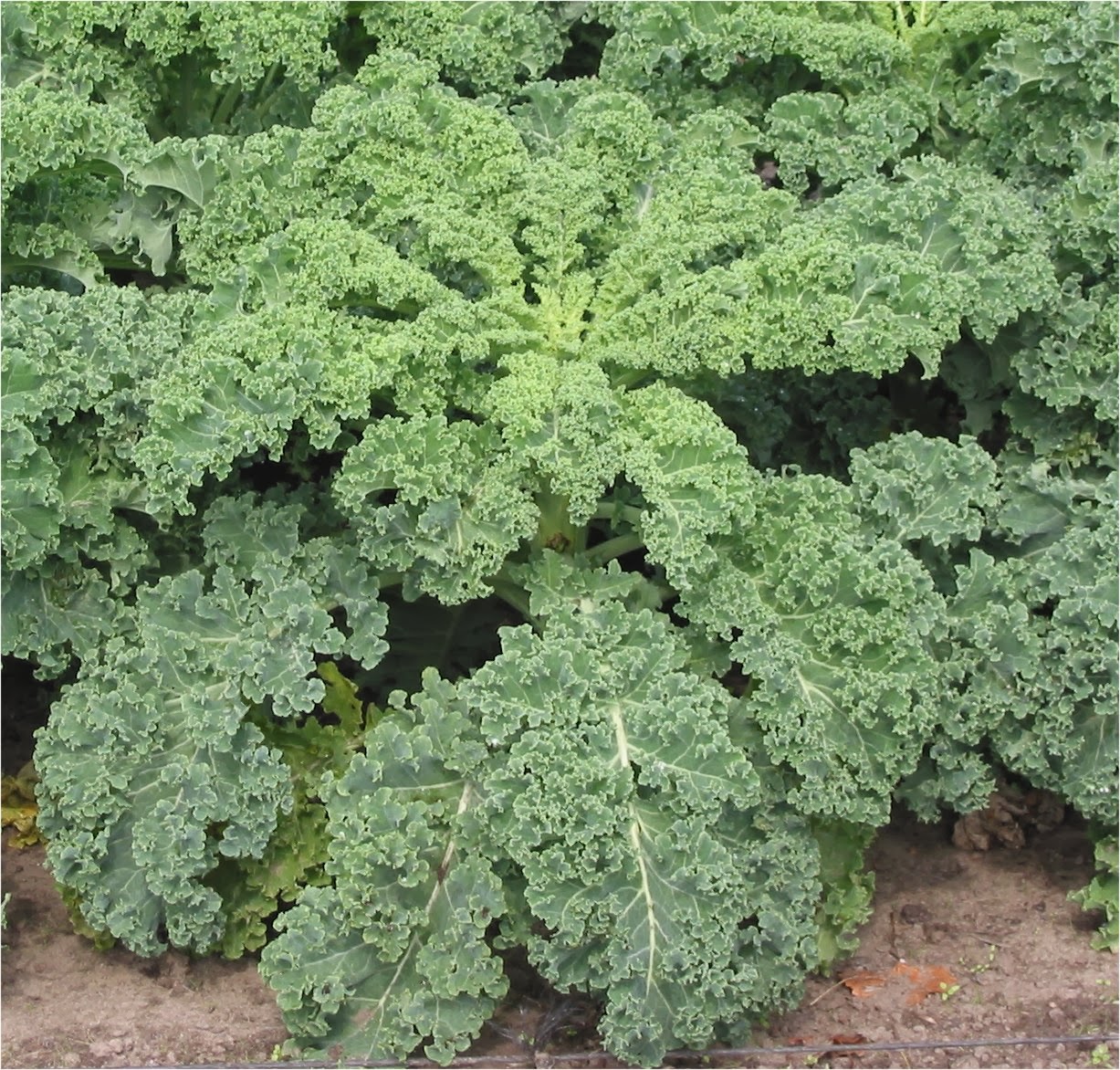
Kale was grown as a staple crop in the the Scottish Islands due to it’s
extreme hardiness, and was given protection from the elements in purpose built
Kale Yards. Indeed, almost every house had a kale yard and preserved kale in
barrels of salt, similar to sourkraut in Germany. They also fed it to livestock
through the winter. Kale continued to be extremely important until potatoes
came to the Islands towards the end of the 18th century.
Superfood
Portion for portion kale is hard to beat when it
comes to the number of nutrients it contains
and a great choice for those wanting to enjoy a healthy balanced diet. Kale is
an excellent source of vitamins K, A and C, as well as containing useful
amounts of manganese, copper and phytochemicals, which are believed to help
against certain types of cancer.
Subscribe to:
Posts (Atom)